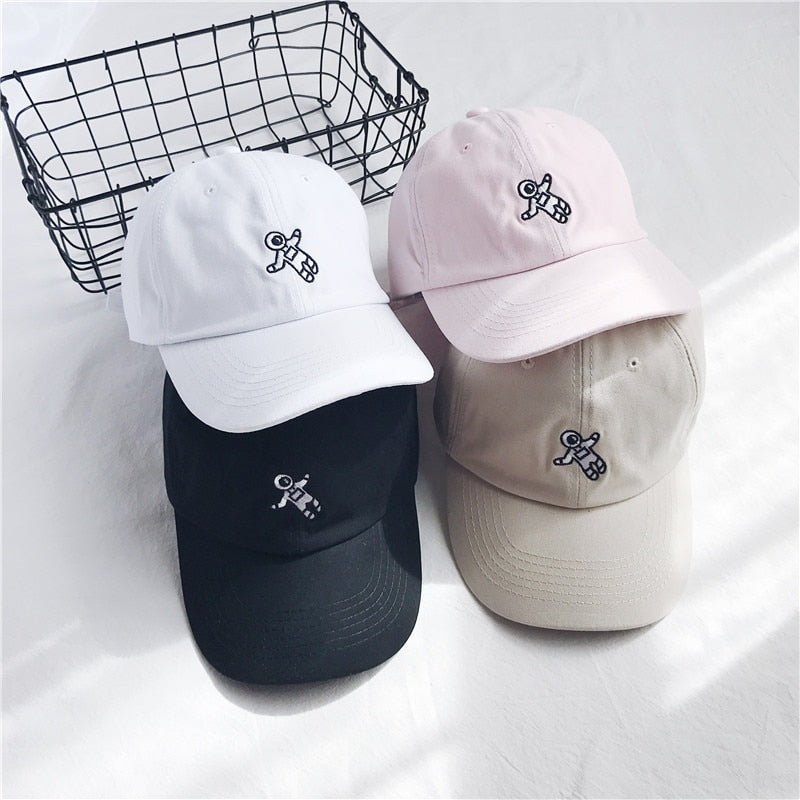
Last month, I was out for a walk with my neighbor Mike. He gestured toward my head and said, “That’s a great cap. It has a real old-school vibe but looks sharp. Where’d you find it?” I had to laugh. It’s my favorite black adjustable hat—the kind that looks like it’s lived a hundred lives. It’s the perfect see today's deal on a vintage baseball cap, and I paid a lot less for it than he assumed.
Tracking down a well-made cap shouldn’t be hard, but it often is. When you shop online the right way, you gain three major advantages:
I used to shop at those upscale hat boutiques in the city. You know the ones—velvet ropes out front and salespeople who look down their noses if you dare ask the price. My friend Charles had a nightmare experience at a store in New York City. All he wanted was a couple of beanies for his daughters. The staff was aggressive, misled him about the return policy, and then treated his kids poorly when they tried to exchange the hats later. The whole ordeal was stressful and overpriced.
Another time, I visited a popular hat shop in Nashville. I walked in ready to buy a high-end hat. I waited and waited. Customers who looked the part got help immediately. Meanwhile, I—a guy in jeans just looking for a cool hat—felt completely invisible. When someone finally helped me, they were rude. I felt like I had to justify my right to be there. I ended up buying a hat that cost hundreds of dollars, mostly because I hate wasting a salesperson’s time, but I left feeling awful.
That experience was my breaking point. I decided then that if I wanted a great piece—like a specific vintage baseball cap—I’d skip the in-store drama altogether. I needed a reliable system for buying quality items online. I was after that cool, unisex, black or white spaceman-printed hat look, but without the headache.
Shopping online requires a bit of savvy. Since you can’t touch the product first, you have to depend on the seller’s description and feedback from other buyers. I came up with a simple four-step process that works for any accessory you buy online, even jewelry. If a price looks too good to be true, it usually is.
Extremely low prices usually mean extremely poor quality. If you’re buying a hat with a metal component—like the buckle or clasp—you need to know what it’s made of. For actual jewelry, you should look for “316L,” a type of surgical steel. It’s high-quality, rust-resistant, and won’t discolor your skin.
For a hat, this means examining the stitching and the hardware. If the seller doesn’t specify the fabric type or buckle material, assume it’s low quality. Cheap metal plating can start to fade in a week.
Bottom line: Always ask about the materials. Look for quality hardware and durable cotton twill fabric in your vintage baseball cap.
Sizing is tricky online. You might see an item labeled “standard size,” but what does that actually mean? If you were buying a chain, you’d check the width in millimeters. If the width isn’t listed, the chain is probably thin and delicate—not what you’re looking for.
For hats, focus on two key measurements: